Play Games Online








Run 3 Summary
Get From the Official Digital Markets
All trademarks belong to their
respective owners.
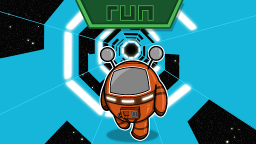
Run is one of those games that looks simple at first glance and then quietly gets under your skin. I have spent enough time with fast, momentum-driven platformers to know when a game is leaning on style alone, and this one does not. It earns its tension through timing, rhythm, and the steady pressure of staying in motion. If you like the kind of run where every gap matters and every landing feels like a decision, this is a game worth paying attention to.
What makes Run stand out is how cleanly it commits to its identity. There is no long setup, no cluttered interface, and no wasted motion. You start, you move, and the entire experience becomes about reading the path ahead while reacting to the track beneath you. That simplicity is exactly why it works. It is the sort of game you can download, install, and jump into without feeling like you need a guide, but it still has enough bite to reward repetition and sharper execution.
First impressions: fast, tense, and surprisingly focused
My first few attempts in Run were messy, which is usually a good sign in a game like this. A weak opener would have made me blame the controls or the pace, but instead I found myself adjusting. That is a big difference. The game asks you to trust your reflexes, but it also teaches you where those reflexes need refinement. It never feels unfair for long, even when the track starts throwing faster turns and tighter spacing at you.
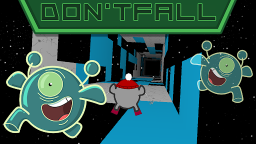
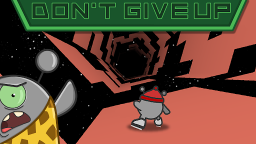
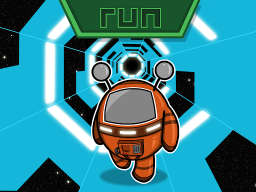
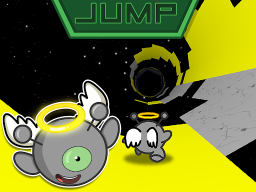
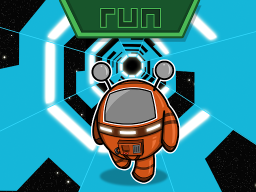
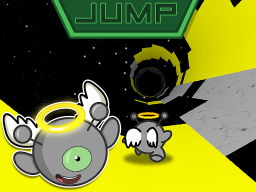
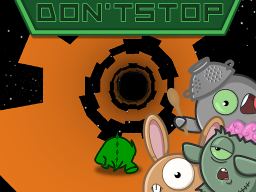
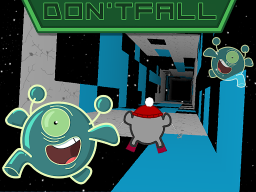
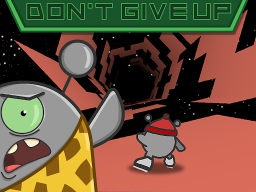
The visual presentation supports that focus nicely. The environment is kept clear enough that you can scan ahead without getting distracted by unnecessary detail. I appreciate that kind of discipline in a platformer. Some games overdecorate every corner, but Run understands that in a speed-based game, readability is part of the challenge. When you only have a heartbeat to react, clean design matters more than flashy excess.
How it feels to play
The core movement is where Run makes its case. The game gives you direct control and expects you to learn its timing through repetition. That may sound plain, but in practice it creates a tight feedback loop. A good line through a section feels earned. A sloppy route usually fails immediately, which pushes you to improve quickly. The result is a play style that is easy to understand but hard to master.
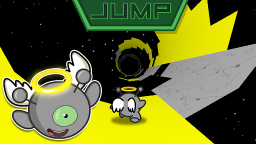
I also like how the game uses momentum. You are not just hopping from one safe point to another; you are carrying speed through a series of decisions. That adds weight to every action. In a weaker game, speed can feel like decoration. Here, it becomes the entire language of the experience. Once you get into the flow, the game starts to feel almost musical. You are not just reacting, you are keeping tempo.
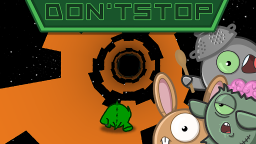
That said, Run does demand patience. If you want a laid-back session, this is not the one to install for casual background noise. It wants your full attention, especially once the routes become less forgiving. For some players, that intensity will be the main appeal. For others, it may feel demanding at first. I think the balance is fair, though. The game respects your time by not dragging things out, and it rewards practice in a way that feels meaningful.
Progression, replay value, and why it sticks
Run does a good job of making repeated attempts feel worthwhile. Even when you fail, you usually know why. That clarity is a big part of its replay value. You are not left guessing whether the game cheated you or whether your timing was off. The answer is usually obvious, which makes improvement feel honest. I always prefer that over random punishment.
The game’s structure also helps it stay replayable. Because the loop is so immediate, it is easy to jump in for a short session or stay longer than planned. That makes it especially appealing on modern platforms where quick access matters. Whether you are opening it through a browser-style setup, a lightweight client, or a mobile install, the experience benefits from that pick-up-and-play design. It is the kind of title people look for when they want something fast, responsive, and easy to revisit.
There is also a strong score-chasing mindset here. Even if you are not usually the type to optimize every section, Run nudges you toward cleaner execution. That is not the same as grinding for the sake of it. Rather, it is the satisfaction of shaving off mistakes and learning how to move better. In a world full of bloated progression systems, that stripped-down approach feels refreshing.
Controls and accessibility
Control response is one of the most important parts of any action platformer, and Run handles that responsibility well. Inputs feel immediate enough to support tight movement, which is exactly what this kind of game needs. If you are playing on PC, keyboard control feels natural. If you are on mobile or a touch-supported device, the game still works, though precision can vary depending on your setup. On supported platforms, the main thing is that the game gives you a fair shot. It does not fight the player.
That fairness also makes it a decent option for younger players or anyone new to fast arcade games. You do not need a long tutorial to understand the basics, but you do need the willingness to practice. If you are trying to play free versions online, the experience may vary depending on where you access it. Some web versions can be easy to open and play unblocked, while others may depend on site restrictions or available features. As always, the official or trusted route is the better choice if you care about stability.
On the question of cheats and mods, Run is not really built around a heavy customization scene. If any cheats or mods exist, they are likely tied to specific community versions rather than the core experience. Personally, I think that suits the game. Its appeal comes from clean execution, so altering the rules would undercut what makes it satisfying in the first place.
What it does well, and where it is less forgiving
Run succeeds because it knows what it is. It is focused, responsive, and unafraid to be demanding. The best sessions happen when you lock in and let the movement carry you. When that happens, the game becomes almost hypnotic. The worst moments come when you are tired or distracted, because then the margin for error feels narrower. That is not a flaw so much as a design choice, but it is worth saying plainly.
There are games that try to appeal to everyone by softening every edge. Run does the opposite. It keeps its identity tight, and that means it will click strongly with some players while leaving others cold. If you want a broad, narrative-heavy experience, this is not aiming in that direction. If you want a pure action loop with quick retries and a strong sense of motion, it has the right idea.
I also value how little friction there is between wanting to play and actually playing. The best arcade-style games understand that convenience matters. If a title is easy to download, quick to install, and simple to launch across supported platforms, that lowers the barrier enough to let the gameplay speak for itself. Run benefits from that simplicity, because it wastes no time getting to the point.
Verdict
Run is a sharp, focused arcade platformer that does not waste your attention. It is not trying to be everything at once, and that restraint is exactly why it works. The movement feels solid, the pacing holds up, and the challenge is built around skill rather than noise. It is the kind of game I respect more the longer I sit with it, because it understands that a good run is about rhythm, precision, and the urge to try just one more time.
If you enjoy fast action, clean structure, and a game that rewards practice without overcomplicating the formula, Run is an easy recommendation. It is best when you want something compact, intense, and immediately playable across the right platforms. For players looking for a free, accessible game to download and jump into, this one earns its place.
How to download Run
Availability & Launch: Run is typically available through web-based portals and select digital game pages, with some versions offered free. Access depends on the specific release, but it is usually easy to open and play without a long setup.
Platforms: Run has been seen on browser play options and may also appear on PC and mobile-style platforms, depending on the version host. If a native build is unavailable for your device, a browser version or cloud/emulator route may be needed. Unsupported platforms generally require alternate access rather than a direct download.
Install: If you are using a browser edition, no full install is needed. For downloadable builds, get the file from a trusted source, run the installer, and follow the prompts. On mobile, install through the app store or the provided package if supported.
System Requirements: For PC, basic hardware is usually enough: a modern browser, modest RAM, and standard integrated graphics. For Mac, a current browser and recent OS version should be sufficient. For Android, a midrange device with updated software is generally enough for smooth play.
Cheats / Mods: Cheats and mods are not a major feature of the core game. Community-made extras may exist for certain versions, but they are not standard or officially supported.
Unblocked Access: Some browser versions can be played unblocked in school or work environments, but access depends on local network filters and site restrictions. If one route is blocked, a different trusted source or supported platform may be required.