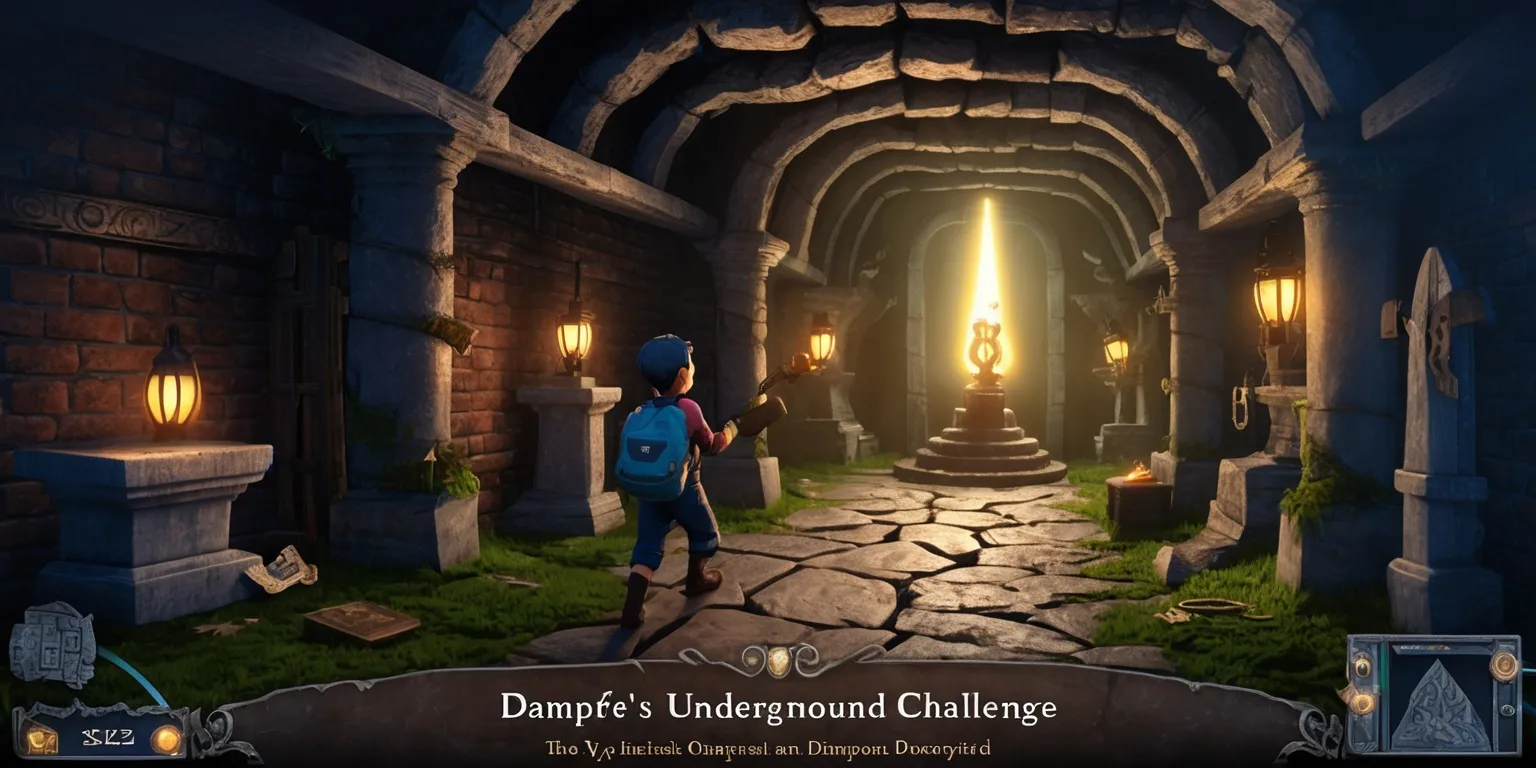
Within The Legend of Zelda: Ocarina of Time, few rewards feel as transformative as the Hookshot. It is not merely another inventory item tucked into a chest, but a tool that changes how the world is explored, how certain encounters are handled, and how progression opens up across Hyrule. The path to obtaining it is tied to Dampé, the gravekeeper of Kakariko Village, whose role shifts dramatically once Link reaches adulthood. What begins as a curiosity in the graveyard becomes a timed challenge beneath the earth, blending atmosphere, movement, and reward into one memorable sequence. Following that path requires the right moment in the story, a trip to the graveyard at night, and a willingness to follow the clues left behind in a place full of quiet mystery.
Adult Link and the point of access
The Hookshot is not available during Link’s child years, which gives the item a clear sense of progression. It belongs to the adult half of the adventure and arrives only after the Song of Time has shifted the story forward. That timing matters because it reflects how Ocarina of Time uses age as a mechanical boundary. Some places can only be entered or understood once Link has grown, and the Hookshot stands out as a highly practical tool for emerge from that transition. By this stage, players are expected to be thinking in larger spatial terms, moving between regions with more intention, and preparing for puzzles that ask for more than simple jumping. The item arrives when the game starts asking for reach, speed, and precise positioning.
Kakariko Village after dark
The journey to the Hookshot begins in a location that players may already know well, but returning there as Adult Link gives it a different feel. Kakariko Village is no longer just a familiar settlement near Death Mountain; it becomes the gateway to one of the game’s more atmospheric side challenges. The graveyard sits slightly apart from the village center, preserving a mood of stillness that makes the reward feel even more hidden. Visiting at night adds another layer to the experience, since the darkness helps emphasize the idea that something secret is waiting beneath the surface. The game encourages close attention here, since timing, place, and environment all matter before the real challenge even starts.
Dampé’s house and the diary clue
Before the race can begin, the player is given a quiet but important hint through Dampé’s diary. Inside his small house near the graveyard, the diary lies on the floor and serves as a direct nudge toward the correct sequence of events. Reading it reveals that Dampé has hidden something in his grave and that a special feature of the tombstone appears only at night. This detail is classic Zelda design: a simple clue, easy to miss, but richly connected to the surrounding area. The diary does not overexplain anything, yet it gives enough direction to turn wandering into purposeful investigation. It also makes Dampé feel more like a character with personal habits and secrets rather than a mere gatekeeper.
The marked grave and the hidden passage
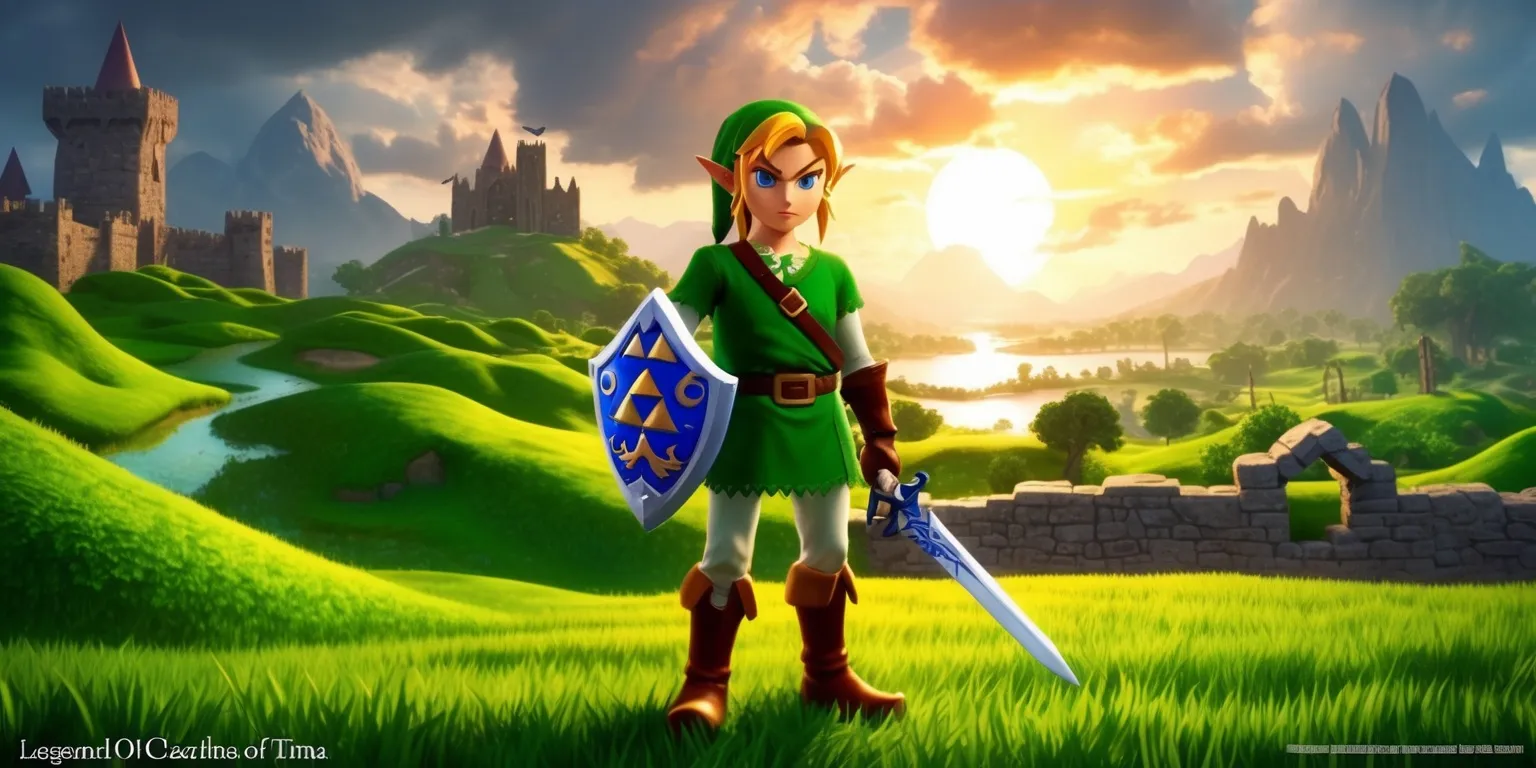
Once night has arrived, the next step is to move north within the graveyard and examine the row of tombstones. One of them stands out because of the smoke rising from it, a subtle visual signal that the player has found the correct location. Behind that tombstone is the entrance to the underground sequence, and the act of pulling it away creates a satisfying moment of discovery. The hidden passage works well because it ties a mechanical action to a visual clue rather than relying on text alone. It rewards observation and reinforces the idea that the graveyard is more than a resting place. Beneath its quiet surface lies a deliberate path into a private challenge set by Dampé himself.
The atmosphere beneath the graveyard
Descending into the grave immediately shifts the tone of the game. The underground space is narrow, shadowed, and slightly eerie, but it is also playful in the way it presents a new task. Dampé’s spirit appears, and the graveyard’s former tour guide becomes a competitive host of what he calls the Dampé Race. This an alteration in tone is part of what makes the sequence memorable. The setting keeps its ghostly identity, yet the challenge itself becomes energetic and focused. The maze of tunnels behind him is a compact space built for movement and pressure, and the scene uses that confinement to make every turn matter. Even though the area is small, it feels important because it leads directly to a tool with major practical value.
The rules of the race
Dampé explains that the underground tunnel system was carved out from the ruins beneath the grave. The race is simple in concept but tight in execution: follow him through the tunnels and keep pace closely enough to avoid being pushed out of the challenge. If Link falls too far behind, the attempt ends immediately, which makes the entire event feel like a test of control rather than combat. There is no need for complicated strategy, but there is room for error if the route is not followed quickly. The directness of the objective is part of the appeal. Players are not solving a broad dungeon here; they are proving that they can respond quickly, stay oriented, and manage movement through a space that can be confusing if attention slips.
Following the purple trail
As Dampé moves, he leaves a line of purple flames behind him. This visual trail serves as both guidance and atmosphere, helping the player stay on course even when the tunnel layout twists out of sight. The flames are practical, but they also contribute to the eerie personality of the sequence. Rather than relying on arrows or obvious signage, the game uses ghostly light to guide the way, which suits the graveyard setting perfectly. If Dampé briefly disappears around a corner, those purple markers keep the route readable. That design choice reduces frustration while preserving urgency, since the player is still under pressure to keep moving. The result is a challenge that feels tense without becoming unfair.
Movement through the ruin tunnels
The race itself asks for quick footwork and a basic understanding of the tunnel layout as it unfolds. The environment is not large, but it is structured to create moments where speed and direction matter at the same time. Narrow turns, short straight paths, and sudden changes in angle keep the player engaged while Dampé stays ahead. Because there is no combat in this section, the focus remains entirely on traversal. That makes the Hookshot reward feel earned through a different kind of gameplay loop than dungeon battles or boss encounters. The tension comes from staying close, reading the path immediately, and moving with confidence. It is a compact exercise in momentum, but one that fits neatly with Ocarina of Time’s broader sense of movement-based progression.
The reward chest and first use
After the end of the tunnel sequence, Dampé presents the Hookshot as the prize for completing the challenge. A chest appears nearby, turning the reward into a physical object the player can immediately claim. This moment is satisfying because it ties accomplishment to instant utility. Right after opening the chest, the game offers the first chance to use the new item on a target above the doorway. That small interaction teaches the basic function of the Hookshot without forcing a separate tutorial screen. Shooting forward and pulling Link up to the exit creates a clean transition from reward to application. The item does not wait to prove itself; it becomes useful the moment it is obtained.
Traversal across gaps and ledges
The Hookshot’s most obvious value is movement. Once equipped, it allows Link to reach wooden targets and snap across spaces that would otherwise block progress. This makes exploration feel broader and more deliberate, especially in areas where height or distance would normally interrupt the route. The item turns a fixed platform into a bridge and makes environmental details visible in a new way. Players begin to scan rooms for attachment points and ledges, which changes how spaces are read. Instead of seeing a dead end, the eye starts looking for a target. That shift in perception is one of the most elegant uses of an upgrade in the entire adventure, because it alters both navigation and player attention.
Stunning and striking enemies
Beyond travel, the Hookshot also adds a useful layer to encounters. It can stun certain foes, creating a brief opening that helps control the pace of combat. Against smaller airborne enemies, it can provide a fast and direct response, making it especially helpful when precision matters more than raw damage. The item gives combat a slightly tactical feel, since its use depends on positioning, distance, and timing. It is not the central weapon of the game, but it complements the rest of Link’s toolkit in a way that feels versatile. That versatility is a big reason why players value it so highly, since it helps in situations where swords, arrows, or bombs are less convenient.
The Item’s role in story progression
The Hookshot is tied to more than optional exploration. It is also a necessary step in moving the adventure forward, most notably when opening access to the Water Temple in Lake Hylia later on. This makes the item both convenient and mandatory, which is a strong design combination. Players who enjoy side routes can appreciate the new movement options right away, while those focused on the main path still need it for future progress. That dual purpose strengthens its importance in the overall structure of Ocarina of Time. It is rare for an item to feel useful in combat, valuable in traversal, and essential for story advancement all at once, yet the Hookshot fits all three roles with ease.
Why the sequence stands out in play
The process of earning the Hookshot works because it blends clue-hunting, atmosphere, and action into a short but memorable chain of events. The diary points the way, the graveyard creates mood, the hidden grave creates discovery, and the race creates pressure. Each step is simple on its own, but together they form a sequence that feels distinctly Zelda. Dampé’s personality also helps make the challenge memorable, since he shifts from a graveyard host to a ghostly competitor without losing the odd charm that defines many characters in the game. The reward then feeds directly back into the wider world, opening doors, reaching targets, and reshaping how later areas are approached through movement and spatial awareness.