The world of Monster Hunter Outlanders beckons players with its vibrant mobile adventure, crafted specifically for a touchscreen environment that promises fluid combat and immersive exploration. Designed expressly for iOS and Android, the game blends strategic gameplay with striking visuals, inviting both seasoned hunters and newcomers to explore its dynamic systems. Despite its mobile-first approach, the developers have woven features that cater to various gaming preferences, including support for traditional controllers and even workarounds via emulators. The experience is tailored to be versatile—whether enjoyed on a handheld device or mirrored to a larger screen. This flexibility introduces a wealth of considerations related to functionality, technical performance, and user interface design, setting the stage for a discussion that spans multiple technical and experiential aspects.
A Mobile-First Design Philosophy
Monster Hunter Outlanders is a product of design decisions that prioritize mobile performance above all else. Conceptualized with the mobile gamer in mind, every element—from intuitive controls to streamlined interface elements—"has been carefully designed to elevate the user's experience." experience on smaller screens. Developers have built the game with touch-based inputs at its core, ensuring that every swipe and tap translates seamlessly into in-game action. This design choice underscores a deep understanding of mobile hardware limitations and the need for instantaneous responsiveness. Even though the game could be played on alternative platforms through emulation, its original essence is rooted firmly in mobile gameplay. Attention to battery optimization, screen resolution, and connectivity is evident throughout the experience, ensuring that performance and responsiveness remain front and center during every hunt.
The Art of Touch-Optimized Gameplay
The game excels in delivering an interface that is honed to the nuances of touchscreen interactions. Every gesture influences combat mechanics and exploration strategies, fostering an engaging and dynamic tactile A possible rewrite could be: "the immersive link that unites the player with the dynamic digital realm.". The user interface adapts cleverly to the motions of a finger, thereby creating a visceral gaming experience that responds exactly as intended. Designers have managed to strike a balance between complexity and accessibility, ensuring that both quick actions and prolonged strategies are executed smoothly. This focus on touch-optimized gameplay also plays into how players experience storytelling and quests, where interactive elements punctuate narrative progression. The seamless integration of touch controls not only aids in precise navigation through dense forests and intricate maps but also reinforces the overall mobile-centric identity of the game.
Controller Integration and Expanded Play Options
Despite its mobile origins, Monster Hunter Outlanders acknowledges that not all players are comfortable relying solely on touchscreen controls. Recognizing the diversity within its audience, the developers have implemented robust controller support. This functionality allows for a traditional gaming experience without sacrificing the depth and responsiveness of the mobile interface. By integrating controller support, the game opens up avenues for players seeking to mirror their smartphone screens to a larger display, thereby enhancing both visual immersion and physical control over gameplay. The controller mapping system is finely tuned to replicate the precision of touch inputs, ensuring consistency in performance whether one is maneuvering through combat or navigating menus. This flexibility expands the accessibility of the game across different play environments …and is tailored for individuals who gravitate toward a more refined approach conventional control scheme.
Navigating Emulation on PC Platforms
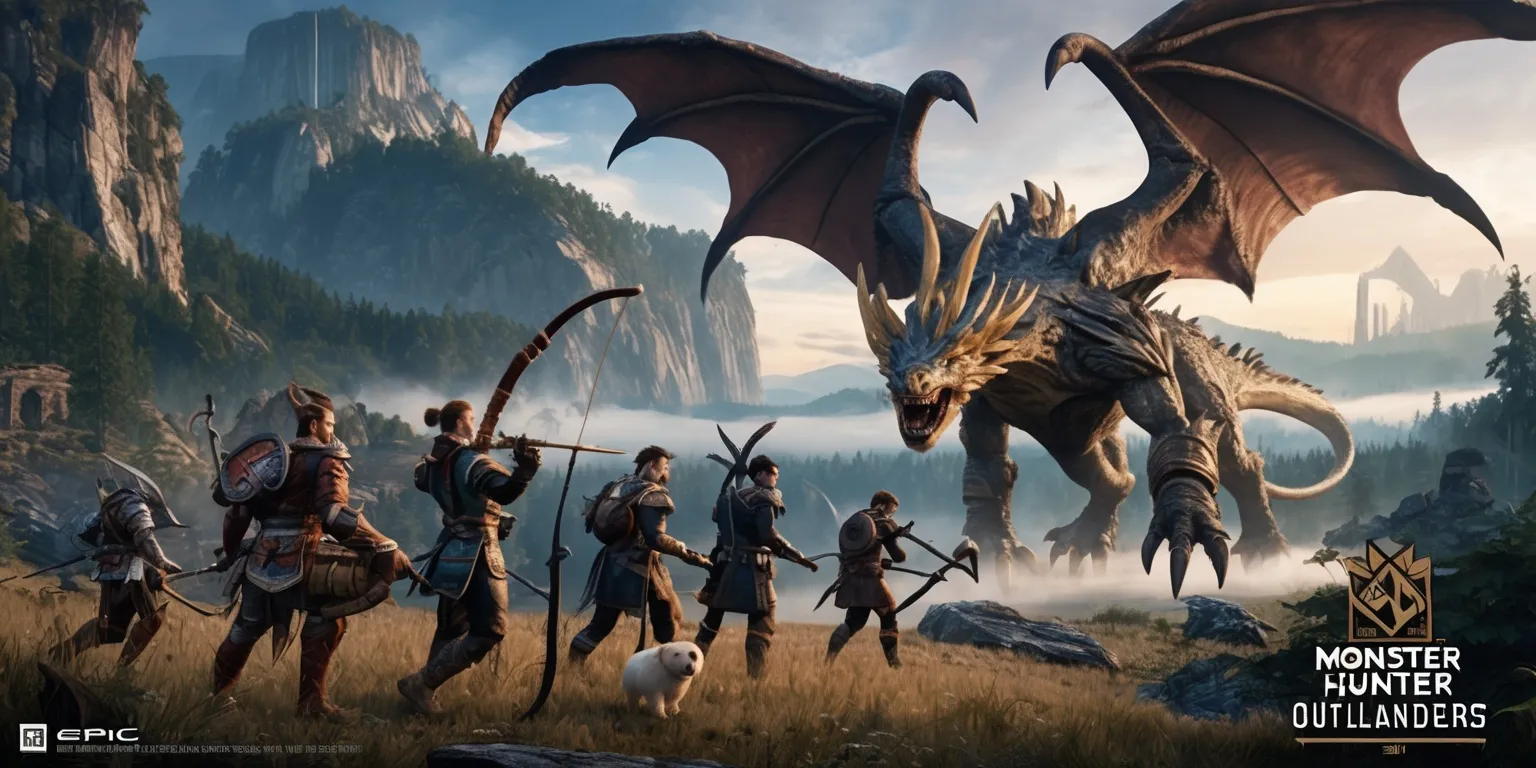
For gamers interested in a desktop experience, emulators provide a viable path to access Monster Hunter Outlanders on PC. Popular emulators like BlueStacks, LDplayer, and MuMu enable the installation of the game outside its native mobile ecosystem. However, using these Each tool introduces its own unique array of challenges and technical nuances. Emulation might lead to occasional performance inconsistencies, especially in areas like menu navigation and complex in-game interactions. Some users have reported a degree of unpredictability when translating touch controls to a keyboard-and-mouse setup, necessitating adjustments and occasional reliance on additional hardware for optimal performance. Furthermore, developers have issued cautions about account policies, reminding players that any deviations from the standard play environment could trigger unforeseen limitations. Ultimately, while emulators offer an alternative, they are a compromise compared to the intended native mobile experience.
Exploring the World Through Emulator Lenses
Using emulators to access Monster Hunter Outlanders on PC transforms the gaming experience into a hybrid adventure that straddles both mobile convenience and desktop utility. Emulators like BlueStacks, LDplayer, and MuMu simulate the mobile environment with varying degrees of success. Players must adapt to inputs that were initially designed for touchscreens, now interpreted through keyboard strokes and controller mappings. The learning curve involves recalibrating expectations around menu responsiveness and combat precision. Despite some hiccups in emulation—such as interface lag or sensitive edge controls—many enthusiasts champion it Consider this alternative phrasing: "as a means to fully appreciate the game on." a more expansive visual canvas. This expansion to the PC realm, however, should be approached with care, as the risk of encountering technical irregularities or account restrictions remains a real possibility for those straying from native play.
Interface and Navigation: Balancing Simplicity with Depth
At the core of Monster Hunter Outlanders lies a user interface built to mesh seamlessly with fast-paced gameplay. Menus and icons are carefully arranged to maximize screen real estate while ensuring that navigation remains straightforward even in high-tension moments. When accessed via emulators or controllers, certain elements may require reconfiguration to retain the originally intended fluidity. Every navigational choice—whether launching a quest, interacting with non-player characters, or managing inventory—has been optimized for reaction times on mobile devices. The result is a minimalistic yet robust design that marries aesthetic appeal with practicality. Developers have maintained a commitment to making every aspect of interaction as intuitive as possible, which is particularly evident in how the game handles transitions between areas and the mapping of combat actions to on-screen prompts. Such design efforts ensure that even when offset by the constraints of non-touchscreen devices, the essence of the original layout persists.
Adapting Aesthetics for Multiple Platforms
The visual presentation of Monster Hunter Outlanders is a testament to its commitment to both beauty and function. The game thrives on vibrant colors and dynamic animations that bring its fantastical world to life. While conceived with mobile displays in mind, the aesthetic elements are sufficiently versatile to accommodate larger screens, whether played directly on a phone or mirrored via an emulator. Developers have paid special attention to maintaining high-resolution graphics and smooth animation flows across different devices. The interplay of light, shadow, and intricate background details is central to creating an immersive environment. Even as interface elements need to be reconfigured for controller use or desktop emulation, the visual style remains consistent, drawing players into the world regardless of the platform. This versatility highlights the careful consideration given to graphical integrity and auditory cues that enhance the overall gameplay experience.
Embracing the Challenges of Navigation and Control Mapping
When transitioning Monster Hunter Outlanders from its native mobile form to alternative platforms, the issue of control mapping becomes increasingly prominent. The developers have incorporated a sophisticated system that allows for both touchscreen and controller inputs, yet each approach brings its own set of challenges. The nuance of combat mechanics, for example, may experience slight alterations in responsiveness when mapped to a physical controller. Similarly, emulation on PC frequently requires customized input configurations to handle in-game movements and menu selections. The process involves deliberate calibration of sensitivity, Ensuring that each command is meticulously documented. This calibration is particularly crucial in combat scenarios, where split-second decisions define overall performance. Such meticulous attention to control mapping reflects a broader ambition to provide a faithfully translated experience, regardless of the deviation from the originally intended mobile interaction method.
Enhancing the Experience on Larger Screens
For those who favor a larger display, the game offers the possibility of mirroring gameplay from a smartphone to a bigger screen. This option, combined with full controller support, creates an environment where traditional gaming aesthetics merge with mobile innovation. The adaptation process often involves fine-tuning visual settings to optimize screen resolution and interface scaling, allowing every detail to appear crisp and intentional. The expanded display not only enhances visual appeal but also creates an immersive battlefield that compensates for the sometimes limited screen size of mobile devices. Players are encouraged to explore methods of screen mirroring that maintain synchronization between input devices and the game's responsive action mechanics. Although some adjustments in menu layouts and response timing may be observed, the overall conversion is designed to be as seamless as possible, fulfilling the desire for an expansive, console-like experience within the mobile game framework.
Understanding Developer Intent and Platform Priorities
The genesis of Monster Hunter Outlanders lies in a fundamental emphasis on mobile user interaction, a decision that defines much of its structure and functionality. The development team has unequivocally conveyed that the game is… built to thrive on smartphones, with touch interaction at the heart of its design. Every aspect—from intricate combat sequences to rapid navigation through diverse terrains—is geared towards maximizing the strengths of mobile platforms. Although the game does expand its horizons by offering controller support and potential methods of emulation onto PC, these options are considered supplementary. This developer intent is reflected in how certain features may not perform with the same fluidity when transferred to a different interface. The authenticity of the game’s mobile origins remains paramount, even as players explore creative ways to adapt the experience to non-traditional gaming devices.
Market Trends and the Shift in Gaming Platforms
The evolution of gaming has fostered a landscape where flexibility and adaptability are prized attributes. Monster Hunter Outlanders is a prime example of this shift—a game that remains true to its mobile roots while accommodating the desires of a broader audience through controller support and emulator compatibility. This intersection of mobile and desktop experiences mirrors larger market trends where players increasingly seek diverse ways to access their favorite titles. The game’s integration of both modern touchscreen technology and traditional gaming peripherals exemplifies a forward-thinking approach that appreciates the nuances of each platform. The strategic decision to not release a native PC version while still offering workarounds underscores a broader narrative about the convergence of mobile and console gaming. Such adaptability not only enhances the reach "of the game while simultaneously enhancing the overall experience." gaming ecosystem with a blend of both nostalgic and innovative elements.