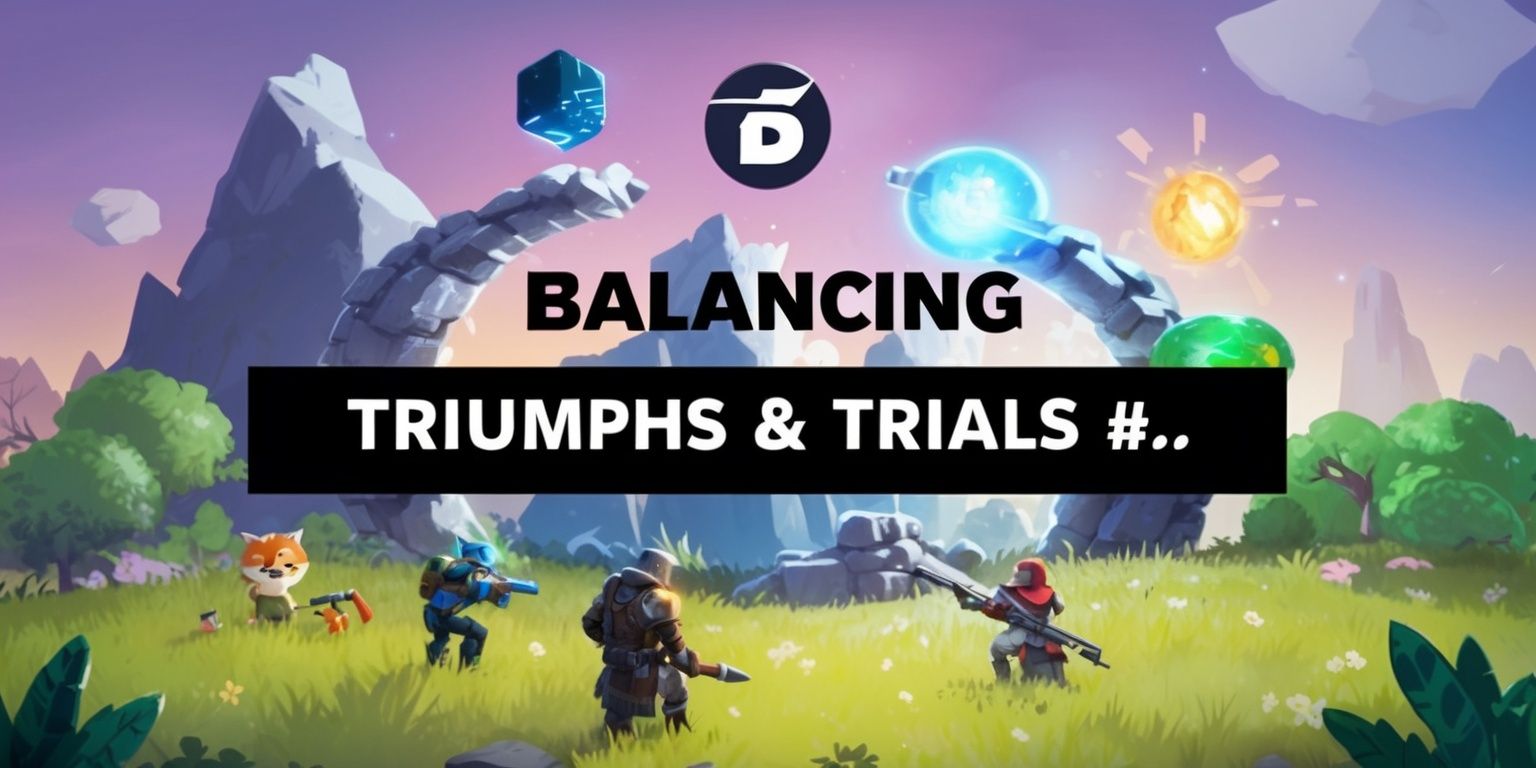
This discussion focuses on the need for game publishers to examine both achievements and setbacks in order to improve future projects. Observing recent trends in the industry, one can notice that several major companies have perhaps misinterpreted the recipe for success. It is common to assume that because one particular model performed extremely well, every title must embrace the same approach. However, the reality of development and market response proves this assumption to be overly simplistic. The recent series of less successful launches has, in fact, provided an opportunity to gain valuable insights.
A renowned figure in game development, one of the co-creators of a popular role-playing series, emphasized that the obstacles encountered in past projects hold lessons equal to those derived from blockbuster hits. In a recent video discussion hosted on a well-known gaming channel, this developer pointed out that companies often fail to appreciate the nuances behind both triumphs and missteps alike. He noted that because sales figures serve as the primary metric for success, there is a natural tendency to overlook what can be learned from those titles that did not perform as expected.
The gaming community frequently expresses a desire for more titles modeled after breakthrough successes, yet they rarely articulate which specific elements contributed to the enjoyment delivered. In cases where criticism is levied, the focus tends to fall on famous instances of poor performance rather than pinpointing exact shortcomings. This cycle leads to a narrow perspective about what features should be replicated or avoided in future game development.
He advises that decision-makers should:
- Identify recurring elements found in titles that have not met commercial or critical expectations.
- Balance insights derived from best-sellers with those gleaned from less popular attempts.
- Avoid limiting creative risk by only replicating successful formulas.
This broader approach to assimilating feedback from all corners of game performance may help explain why many innovative titles have struggled to catch fire. By paying equal attention to both positive examples and those that struggled, game publishers can mitigate the risk of a creative bottleneck, ultimately Charting a course toward a more flourishing and multifaceted environment gaming landscape.