Get From the Official Digital Markets
All trademarks belong to their
respective owners.
The Cat In The Hat Summary
The Cat In The Hat Photo Gallery
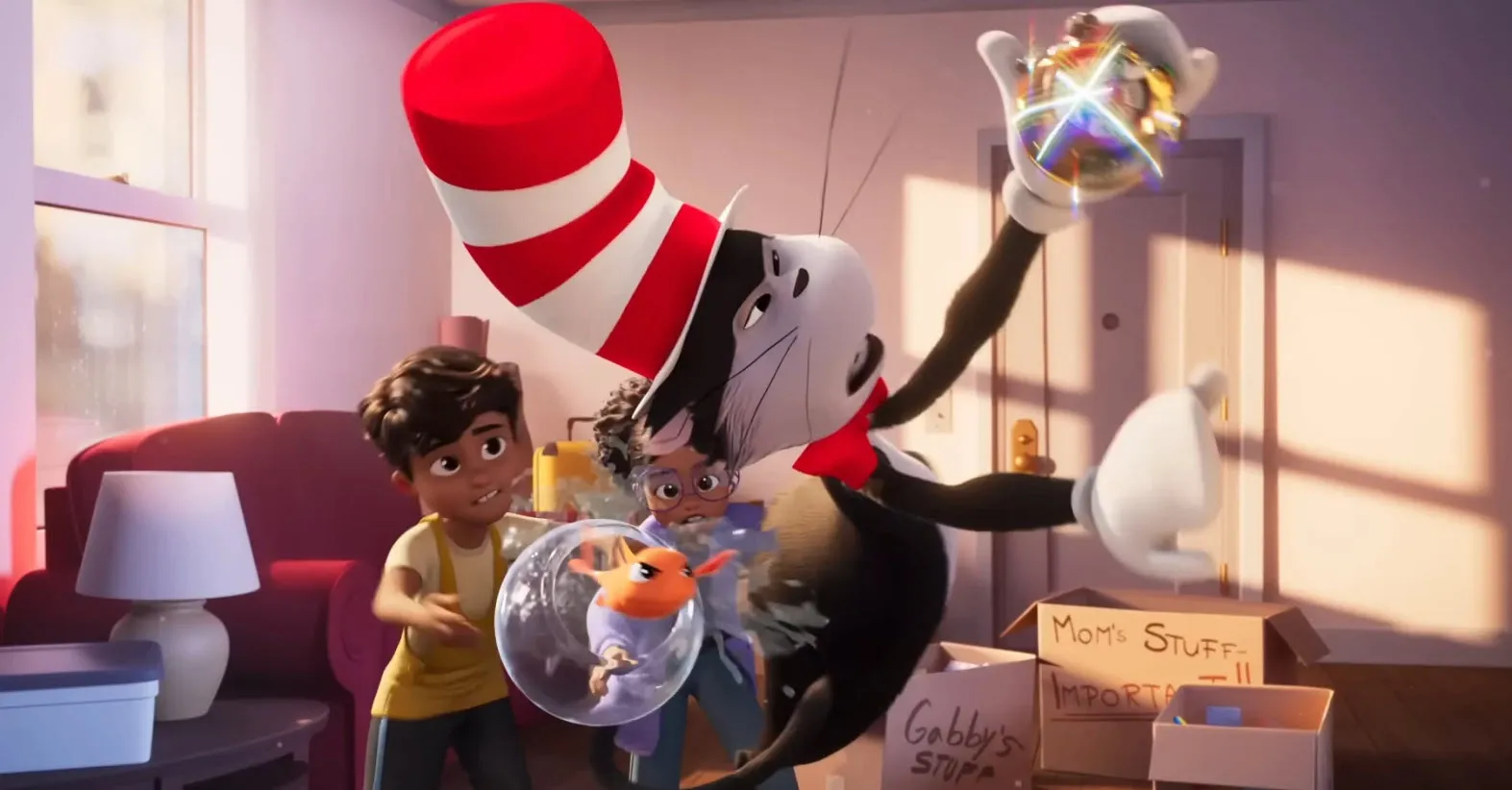
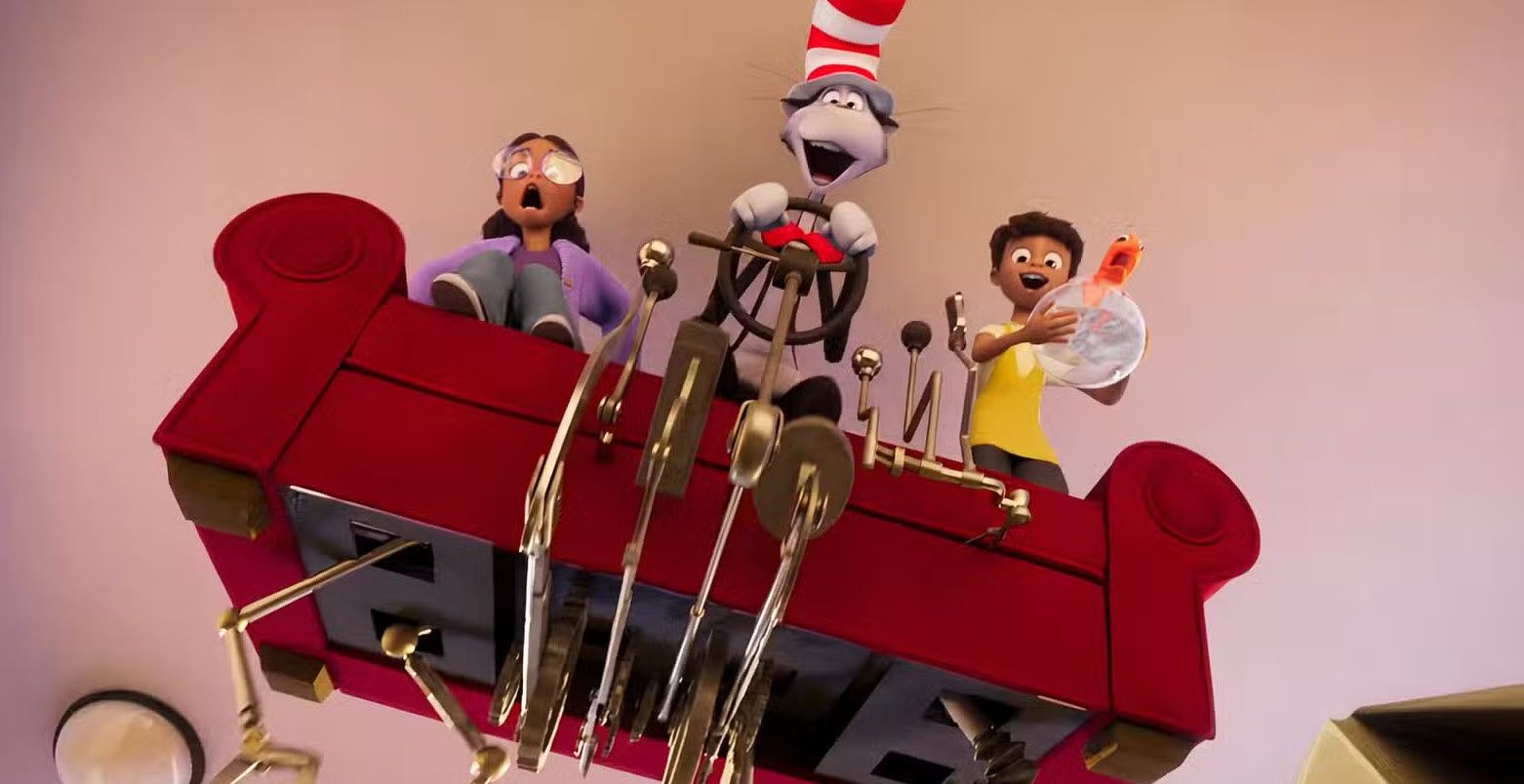
An Offbeat Journey Through Whimsy and Chaos
The Cat in the Hat is one of those films that has sparked as many debates as it has smiles. As an experienced film enthusiast with years of absorbing everything from high-brow arthouse cinema to playful children’s fantasy, I found this movie to be a mixture of invention and pandemonium. This cinematic reinterpretation of the classic Dr. Seuss tale attempts to bridge the gap between a quirky children’s story and the existential questions of our chaotic modern life. One might be tempted to watch it only for its daredevil visuals and unconventional narrative, but the film offers so much more for those who are willing to dig a little deeper.
Visual Spectacle and Artistic Statements
Right from the opening sequence, the film invites audiences into a world where reality seems to be cartoonishly inverted. The production design is vibrant yet meticulously disordered, much like a painter who has spilled a dazzling array of colors onto his canvas. The filmmakers have experimented boldly with the use of practical effects mixed with digital wizardry to create scenes that are simultaneously nostalgic and innovative. It’s almost as though they wanted to make sure that every frame looked like it had been conjured up on the spot, hence loosening up your grip on what’s traditionally considered cinematic realism.
What truly impressed me was the film’s sensibility towards the challenge of adapting a beloved story that many grew up with. The film doesn’t shy away from the inherent absurdity of the source material. Instead, it uses that absurdity as a vehicle for creative expression—sometimes resulting in breathtaking sequences that make you want to stream every second revelling in the chaos. The deliberate blending of a cartoonish visual style with layers of metaphorical storytelling gives the film a unique standing, making it a bold experiment in children's fantasy cinema while simultaneously hinting at more profound social commentaries.
Narrative Layers and Unconventional Storytelling
The narrative structure of The Cat in the Hat isn’t what one would immediately expect. There is a conscious effort to break away from conventional linear storytelling and transform the tale of a mischievous cat into an exploration of the unpredictability and fleeting nature of childhood. At its heart, the film is a celebration of creativity, freedom, and the surprising twists of fate that often come with a dash of rebellion against societal norms.
While the original story is familiar territory for many, the film introduces new subplots and characters that add layers of complexity to the narrative. The interplay between humor and tension is balanced in a way that forces the viewer to think about the philosophical implications behind each scene. This film demands that you watch it with an open mind and a willingness to embrace the “unblocked” creative energy that it radiates. For those who are inclined to download it or stream it on a quiet evening, every viewing experience is a new adventure and an unpredictable narrative journey.
Performances and Character Depth
The performances in The Cat in the Hat are nothing short of a roller coaster of energy. The actor portraying the titular role brings a carefree but strangely introspective charm, merging the worlds of a playful imp and a philosophical rebel. His charismatic on-screen presence is undeniably magnetic, and he manages to convey the very essence of ambiguity—teetering between a playful villain and a misunderstood mentor.
Supporting performances are equally notable. The dynamic between the children and the mythical character itself is layered, and there are moments throughout the film when the boundary between mentor and mischief-maker blurs. Each character in the film is thoughtfully designed, ensuring that no interaction feels redundant. The narrative encourages viewers to observe rather than simply be entertained; you may even find yourself pondering allegorical meanings behind seemingly frivolous family antics that unfold in rapid succession.
Mood, Tone, and the Subtext of Rebellion
One of the most striking elements of the movie is its bold tone—a peculiar blend of mischievous humor and poignant observation. Unlike traditional children’s films that usually wear their innocence on the sleeve, The Cat in the Hat wades into treacherous waters when exploring issues such as creativity, authority, and persistence in the face of societal constraints. It is a film intended to challenge both young and adult audiences, making them think critically about what it means to question established norms.
It is in moments of unexpected levity that the film truly shines. The shifting mood can be seen in scenes that are contemporarily dark in subtext even as they’re carved out in distilled comedy. The contextual background, including urban settings reimagined in imaginative ways, defies functional storytelling by leaning into contradictions—this is not merely a kids’ adventure, it’s a cinematic rebellion wrapped in eccentric visuals. It’s exactly this paradoxical tone that makes the film a hit for those looking to stream, download, or even watch it online while celebrating its unorthodox narrative approach.
Soundtrack and Cinematic Rhythm
Complementing the visual design, the film’s soundtrack deserves its own spotlight. The audio track is a compelling blend of whimsical tunes and edgy experimental sounds that mirror the film’s aesthetic. Occasionally, the psychoacoustic choices elevate the film’s most intense moments, transforming ordinary sequences into near-trance states of cinematic brilliance, much like how a catchy score can make a random scene memorable. The soundtrack intentionally oscillates between moments of high energy and eerie calm, echoing both the playfulness and the philosophical undertones embedded in the film’s narrative.
For the audience who is willing to stream these sequences more than once, the sound design offers an additional layer of discovery. Each replay can bring out nuances that were perhaps missed the first time around, making the viewing experience persistently rewarding. The careful synchronization between sound, visuals, and narrative pacing is one of the undeniable strengths of The Cat in the Hat.
Cultural Impact and Legacy
Over the decades, adaptations of literary classics have strived to capture the original essence while providing commentary on contemporary issues. The Cat in the Hat manages to do just this, weaving a narrative that resonates with both children and adolescents, and even adults looking back on a simpler time. Its cultural impact, albeit polarizing to some traditionalists, is invigorating to those with a taste for subversive delights. The movie encourages creative thinking and subtle critiques of well-worn societal rules, making it a modern cultural artifact.
Critics have variously described the film as an ambitious, albeit flawed, experiment. While the adaptation might not fully satisfy purists, it certainly opens the door for broader interpretations. It is a film one might choose to stream on a leisurely weekend, curious to unravel all the hidden allegories interlaced with the on-screen antics. By daring to reinterpret what many believed was a straightforward children’s narrative, The Cat in the Hat achieves a level of unpredictability that is both refreshing and stimulating.
Pacing and Engagement: A Tale of Two Worlds
The pacing of the film is designed to reflect the spontaneous nature of the story itself. With scenes that move briskly and others that deliberately slow down, the film mirrors the dichotomy between the swift, chaotic energy of youth and the more reflective, measured approach of maturity. The deliberate juxtapositions within the narrative invite viewers to see the film as a meditative journey rather than a typical plot-driven movie.
One can easily appreciate how this technique allows the narrative to breathe, creating space for the emotional crescendos that punctuate the story. It is a movie that doesn't just encourage you to watch but to explore its layered intentions. There are moments to pause and contemplate, subtle hints tucked away in the corners of chaotic scenes, and not-so-subtle nods to the whimsical yet critical look at our world today. Whether you are looking to stream it on a lazy afternoon or download it to enjoy unblocked during a long trip, The Cat in the Hat invites repeat viewings to unravel its hidden dimensions.
The Journey From Page to Screen
Transforming a beloved character from page to screen is no small feat, but the film manages it with a surprising degree of respect for its source material, even as it takes bold liberties. The filmmakers understood that the character of The Cat in the Hat is emblematic of unpredictability and playful mischief, and it is that very spark that fuels the narrative’s fire. The adaptation dives into the playful spirit of the original, yet it also introduces elements that make viewers question the nuances of childhood and authority.
For fans of the original book, this transformation might feel like a reinterpretation that challenges nostalgic conventions, while newcomers can simply enjoy it as a standalone narrative. The film’s ability to morph seamlessly between being an adventurous romp and a subtle commentary on modern lifestyles is testament to its versatile storytelling approach. It entices the viewer to watch it again, to stream it during different moods and contexts, and perhaps to download it for moments when a reflective yet playful cinematic experience is desired.
Conclusion: An Unforgettable, Irreverent Cinematic Experience
In the final analysis, The Cat in the Hat is an audacious film that boldly strays from the conventional blueprint of children’s movies. Its rich tapestry of imaginative visuals, layered performances, and the exploration of deeper themes elevate it to a distinct form of cinematic expression that defies easy categorization. It is a movie that invites its audience to engage with it on multiple levels—not simply as a piece of entertainment, but as a reflection on art, chaos, and the beautiful unpredictability of life.
If you decide to watch this film, you’re in for an experience that is as visually captivating as it is mentally stimulating. Whether you plan to stream it, download it, or even explore every scene available online, The Cat in the Hat promises a viewing experience that is vibrant, reflective, and unmistakably unique. For those particularly intrigued by the balance between anarchic fun and insightful commentary, this film is an interesting watch—one that continues to be relevant in today’s constantly evolving cultural landscape, and one that beckons to be revisited time and time again.
How to watch The Cat in the Hat online
The Cat in the Hat is currently available across multiple online platforms, making it accessible whether you prefer to stream or download the movie. Some platforms require a subscription, while others might offer it free with additional advertising. As a film enthusiast, I recommend checking both free and unblocked services that provide a hassle-free watching experience. The movie is listed as PG—a United States-based age rating that indicates some material may not be suitable for very young children and that parental guidance is advised.
For streaming options, Netflix may include the movie in their library with options to download for offline access during your free trial period. Amazon Prime Video offers rent or purchase options along with a trial period and offline access. On Apple TV, you can purchase or rent the film, and it delivers high-quality streams with download availability. Peacock provides both free and premium services with varying conditions on downloads, and Hulu, while offering the movie, may have trial limitations regarding download features. On YouTube (Movies), you can choose to rent or buy the film, with the ability to download it through the app on supported devices.